





NINR-supported researchers explore and address some of the most important challenges affecting the health of the American people. The highlights below feature research accomplishments from the community of NINR-supported scientists across the United States.
Looking for a particular article?
Search articles by category and keyword.

Motivated by her work as a trauma nurse, Dr. Sara Jacoby’s NINR-funded dissertation used ethnography to explore the experience and perceptions of Black patients with traumatic injuries.

Firmly grounded in the belief that health outcomes must be contextualized, Dr. Hudson Santos is exploring whether a community-driven intervention that addresses social determinants of health can improve obesity-related outcomes among immigrant Latina mothers and their children.

This NINR-funded study examined the contribution of neighborhood characteristics to post-traumatic stress disorder (PTSD) and depressive symptom severity in Black males following serious injury.
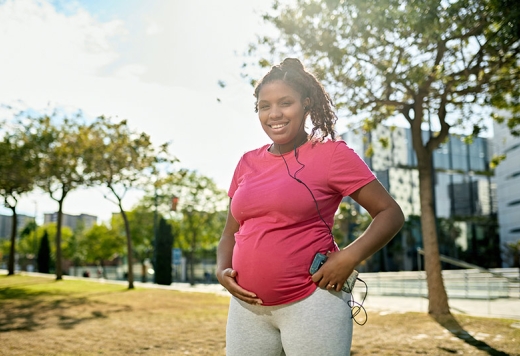
Psychological stress during pregnancy has been associated with poor maternal outcomes in the perinatal period, including anxiety and postpartum depression. Research also indicates that nature, including access to green space in urban areas and tree canopy, improves general health, maternal mental health, and pregnancy outcomes.

Over one-third of youth are considered overweight or obese, with minority and low-income youth at greatest risk for obesity and related diseases. Increasing physical activity levels has been shown to positively impact youth weight status, cardiorespiratory fitness, metabolic health, and body composition.